04 / 06
bittersweet
The Couch & the Dimes
NonfictionThe House of Dimes
There was cornbread, and a house that seemed to know how to be warm.
There was a boy I knew in high school whose family didn't have much money.
He'd told me this before. I believed him. I just hadn't understood quite what he meant.
I ended up at his house one night because a group of teenagers had organized an evening around a complicated series of lies to our respective parents, and then the plans fell apart.
Everybody started going home.
I found this astonishing.
We had lied. We were out later than we were supposed to be. Surely you couldn't just walk back through the front door and announce your return, completely unprepared for the consequences.
Apparently, they could. I could not.
Going home required preparation. You needed an explanation, preferably several, because the first question might produce another, and the second answer might accidentally contradict the first. There were other considerations. Tone. Timing. The general atmosphere of the house. Walking in without a plan seemed reckless.
One of the boys said I could stay with his family. So I did.
His mother was sweet as pie, his stepfather was kind, and his little sister seemed to adore me. I was an unexpected guest, but nobody made me feel like an imposition. The boy himself seemed nervous. I wonder now if he thought I'd judge them, though I can't say for certain.
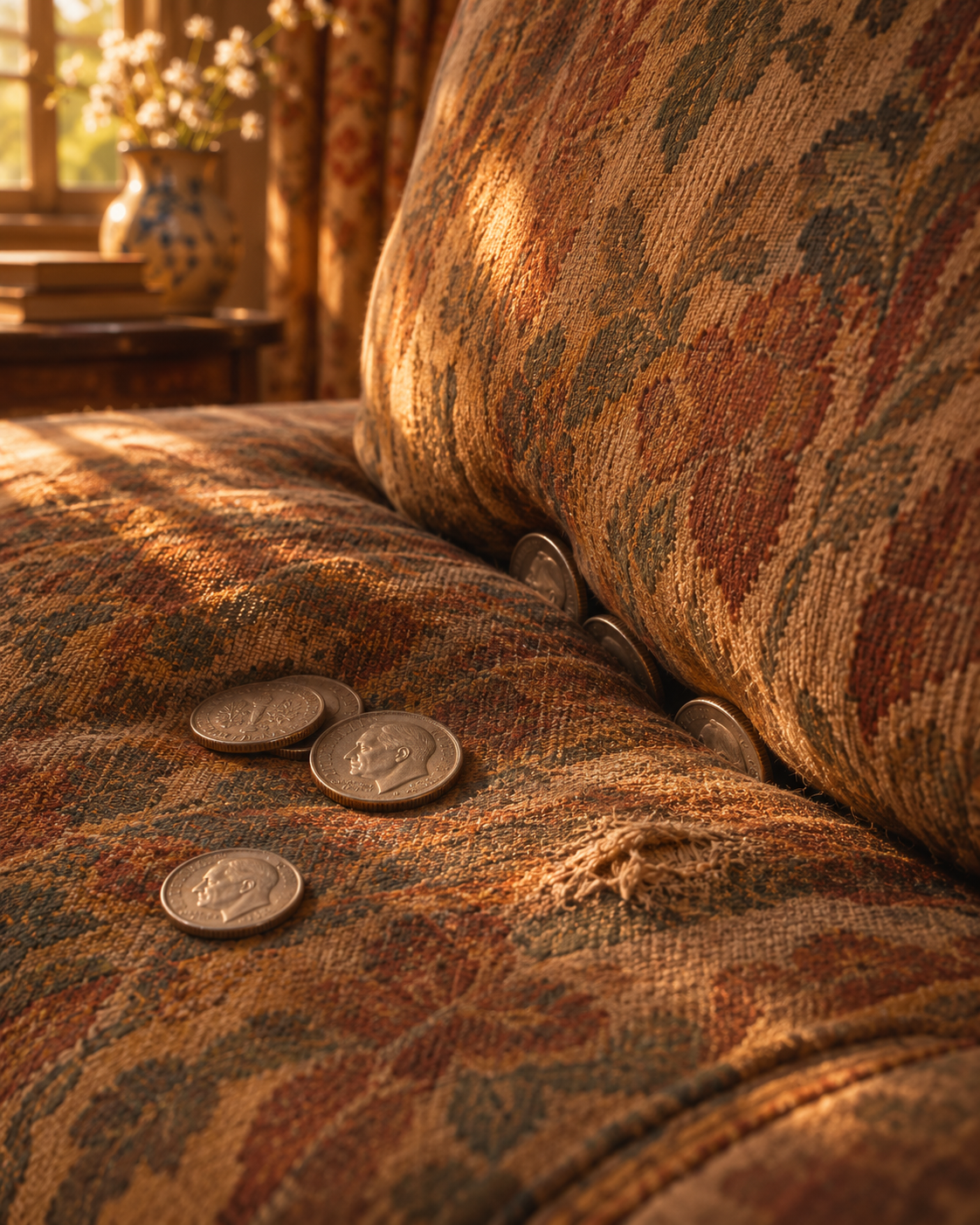
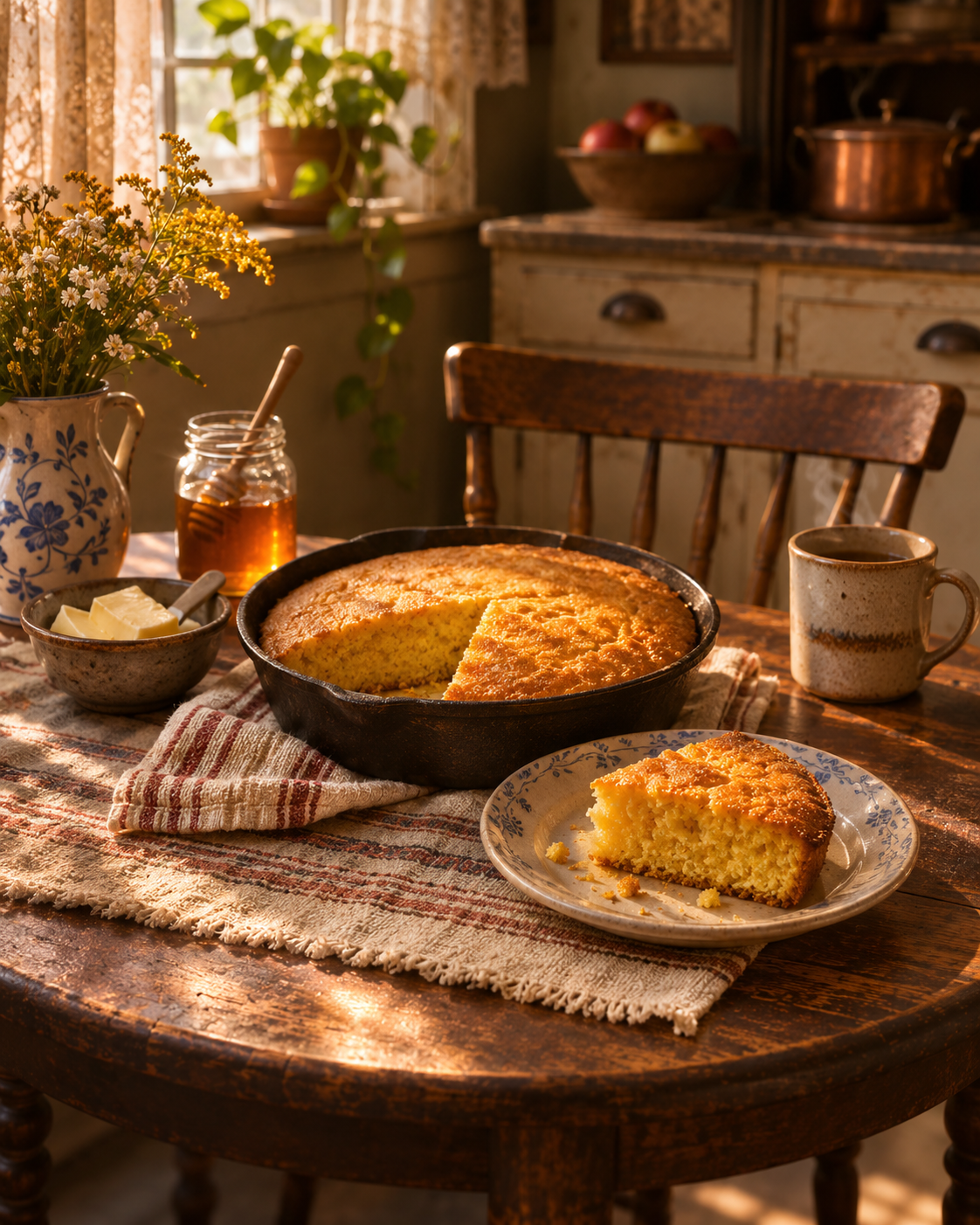
In the morning, we searched the couch cushions for dimes because there wasn't enough money otherwise. When we'd found enough, we went to get cornbread.
I don't know whether his mother had planned on making it anyway or whether the cornbread was meant to stretch breakfast because there was suddenly another mouth to feed. I've wondered about that for years.
While she cooked, everybody talked.
This should not have been remarkable.
It was to me.
They asked each other questions and seemed interested in the answers. They teased one another. Someone could get irritated without the whole room having to rearrange itself around them. Nobody seemed to be conducting an investigation.
I kept waiting for something else to happen. Some correction, some change in the atmosphere, some indication that I'd misunderstood the rules.
Nothing did.
And I didn't quite know what to do with myself.
I'd never been so surprised by something I hadn't realized I didn't understand.
I was conscious of the money, of course. Painfully conscious. I didn't know what expression to make while we were searching the couch. I wanted to help, but I didn't want my concern to turn into something insulting. I wondered whether the boy was embarrassed, whether he thought I was looking at his family and seeing everything they didn't have.
My family had more money. We had food, clothes, furniture, more televisions than people. I wasn't going to pretend we'd been poor just because that would make the comparison easier.
But I'd never believed money was enough to make a home happy. I knew you could have everything you needed and still feel cold inside it.
What I hadn't understood was how the other part worked.
Here was a family searching their furniture for enough change to make breakfast, and somehow the house felt full of something I couldn't have told you how to bring into my own.
I'd been raised in a kind of cold I knew how to navigate. I knew when to speak, when to be quiet, how to listen for changes in someone's voice, how to anticipate the mood of a room before entering it.
I didn't know how to sit comfortably among people who seemed happy to have me there.
And I wondered whether he knew.
Whether he understood how much his family seemed to love him, or whether it was so ordinary to him that he'd never had reason to examine it. Whether he knew that someone could walk into his house, see the things he might have been embarrassed about, and still find herself wishing she knew what it was like to live there.
I wanted his family to have more. More money, more ease, fewer reasons to search the furniture for dimes.
I didn't envy their poverty. I envied something I wasn't even sure how to name.
For years afterward, the only way I could describe what happened to me that morning was that I couldn't tell whether my heart had grown two sizes or shrunk by two.
Maybe both.
Cornbread still takes me back there. To a house where warmth seemed to live in the walls because the people had put it there.
I'd never learned how to wire that into my own home.
And I wonder sometimes what he thought I was seeing.
I suppose we all have our place where we're standing.
Nonfiction · Adapted from How to Explain Yourself to Wolves